Every era of football has its hinge point — a tournament people reference forever after as “before” and “after.” The 2026 World Cup, hosted jointly across the United States, Canada, and Mexico, is shaping up to be exactly that kind of moment. Not because of any single match or scandal, but because almost everything about how the tournament looks, feels, and functions was rebuilt from the ground up.
The Biggest Field the Game Has Ever Seen
For the first time, 48 teams took part instead of 32. That’s not a cosmetic tweak — it reshaped qualification campaigns on every continent, gave smaller footballing nations a real, tangible target, and turned the group stage into a sprawling, unpredictable marathon rather than a tightly rationed sprint. Fans who never thought their national team had a realistic shot at the World Cup suddenly found themselves planning trips, buying shirts, and believing.
That expansion also meant a new match structure. More teams meant more games, more storylines, and more chances for the so-called minnows to trip up giants early — something that’s already producing some of the most talked-about shocks in the competition’s history.
Three Countries, One Tournament
Splitting hosting duties between the US, Canada, and Mexico wasn’t just logistics — it was a statement about what the World Cup is becoming: less a single-nation spectacle, less a two-week bubble in one city, and more a genuinely continental event. Fans crossed borders to follow their teams. Broadcasters had to rethink time zones and scheduling for truly global audiences. And the tournament’s economic footprint spread across dozens of cities instead of concentrating in one.
Mexico became the first country to host three men’s World Cups, a piece of history on its own. But the real shift is cultural: North America’s football audience, long treated as secondary to Europe and South America, has been placed at the very center of the sport’s biggest stage.
Technology Finally Catches Up
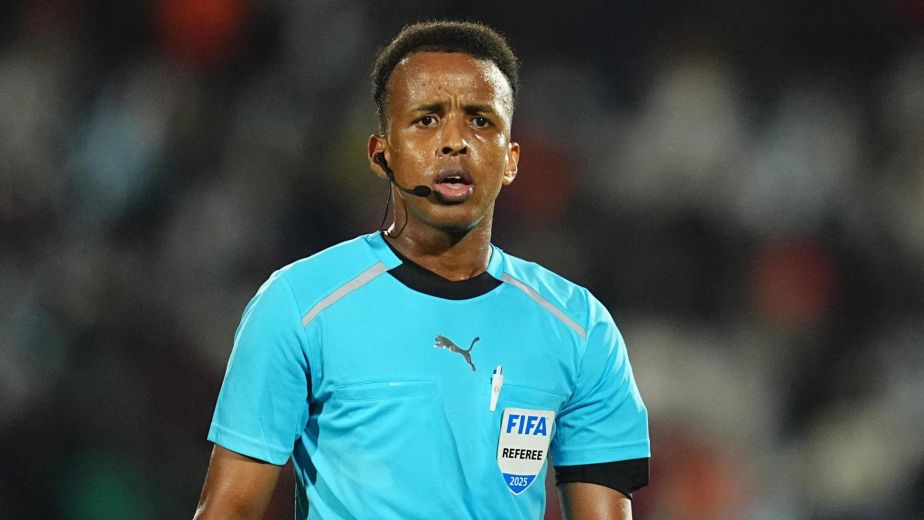
Semi-automated offside decisions, enhanced VAR communication, and more transparent officiating tools matured significantly by 2026. Rather than fans watching decisions unfold in confused silence, in-stadium screens and clearer broadcast graphics turned officiating from a mystery into something closer to real-time storytelling. It didn’t eliminate controversy — nothing does in football — but it changed how controversy is experienced.
A New Generation Steps Into the Light
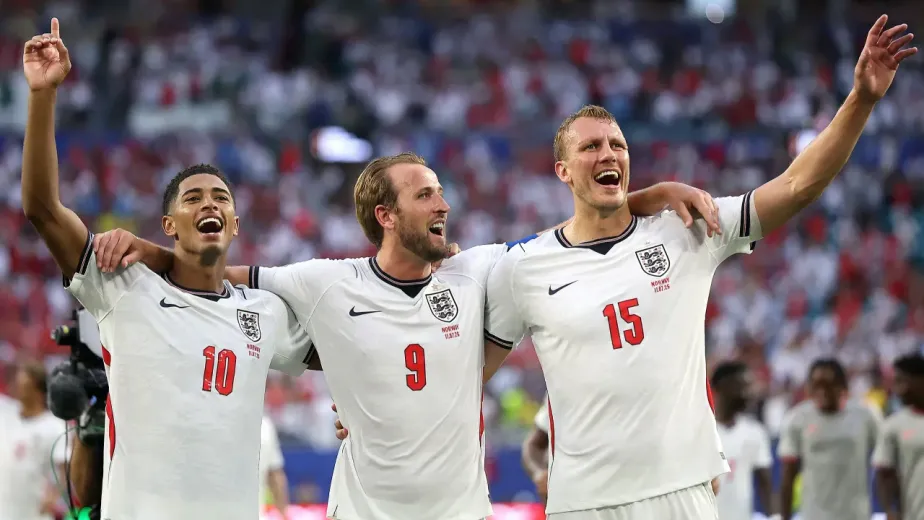
Every World Cup has a “changing of the guard” narrative, but 2026 carries it with unusual weight. The generation defined by Messi and Ronaldo has largely handed the stage to players who grew up idolizing them rather than competing alongside them. Young, explosive talents — many of whom cut their teeth in leagues that didn’t traditionally produce World Cup headliners — have used the expanded format and global spotlight to announce themselves on the sport’s biggest possible platform.
Why This World Cup Will Be the Reference Point
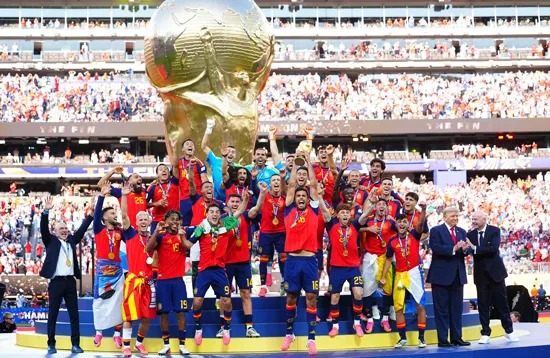
Tournaments are remembered for goals and trophies, but they’re studied for what they change. The 2026 World Cup will likely be remembered as the moment the competition doubled down on scale, spread its geography across a continent, embraced technology as a storytelling tool rather than a controversy generator, and handed the game to its next generation.
Whatever happens in the final, the format, the footprint, and the feel of the World Cup have already shifted permanently. Future tournaments will be measured against this one.